
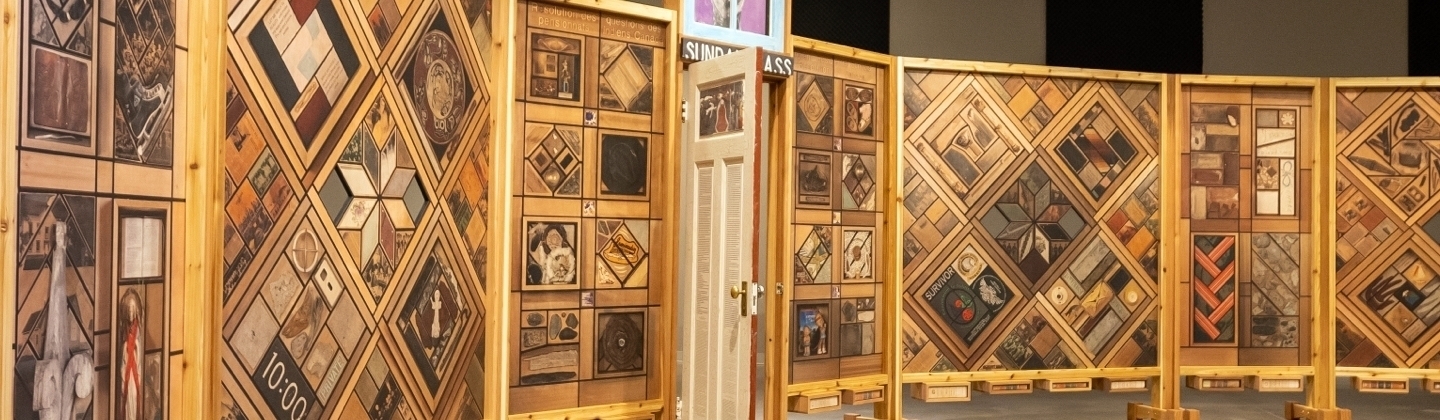
Our Commitment to Truth & Reconciliation
“Without truth, justice, and healing, there can be no genuine reconciliation”
– the late, Honourable Murray Sinclair
The road we travel is equal in importance to the destination we seek. There are no shortcuts. When it comes to Truth and Reconciliation we are forced to go the distance.
Much of our programming focuses on fostering an environment of inclusion and diversity, seeking truth about Canadian history and fostering a culture of moving forward together.
We are deeply honoured to provide a space for understanding, healing, and meaningful action, ensuring the RCMP Heritage Centre continues to be a place where important conversations happen, and where voices are heard.
Strategic Priority
The history of the NWMP and RCMP is directly tied to the beginnings of Canada. Throughout the process of establishing the nation of Canada, there were actions and policies of Government that, to this day, have had a lasting impact on relationships between Indigenous Peoples and Canada’s institutions. While there are many proud and inspiring chapters of the RCMP story, there are others that reflect the harmful legacy of certain policies and decisions of the Government of the day.
Our goal is to be a place of dialogue—where people from around the world can explore all of these topics in a welcoming, informed, environment that values lived experience and multiple perspectives, and that has truth at its core.
Commitment to Education
Residential Schools: Learning the Truth
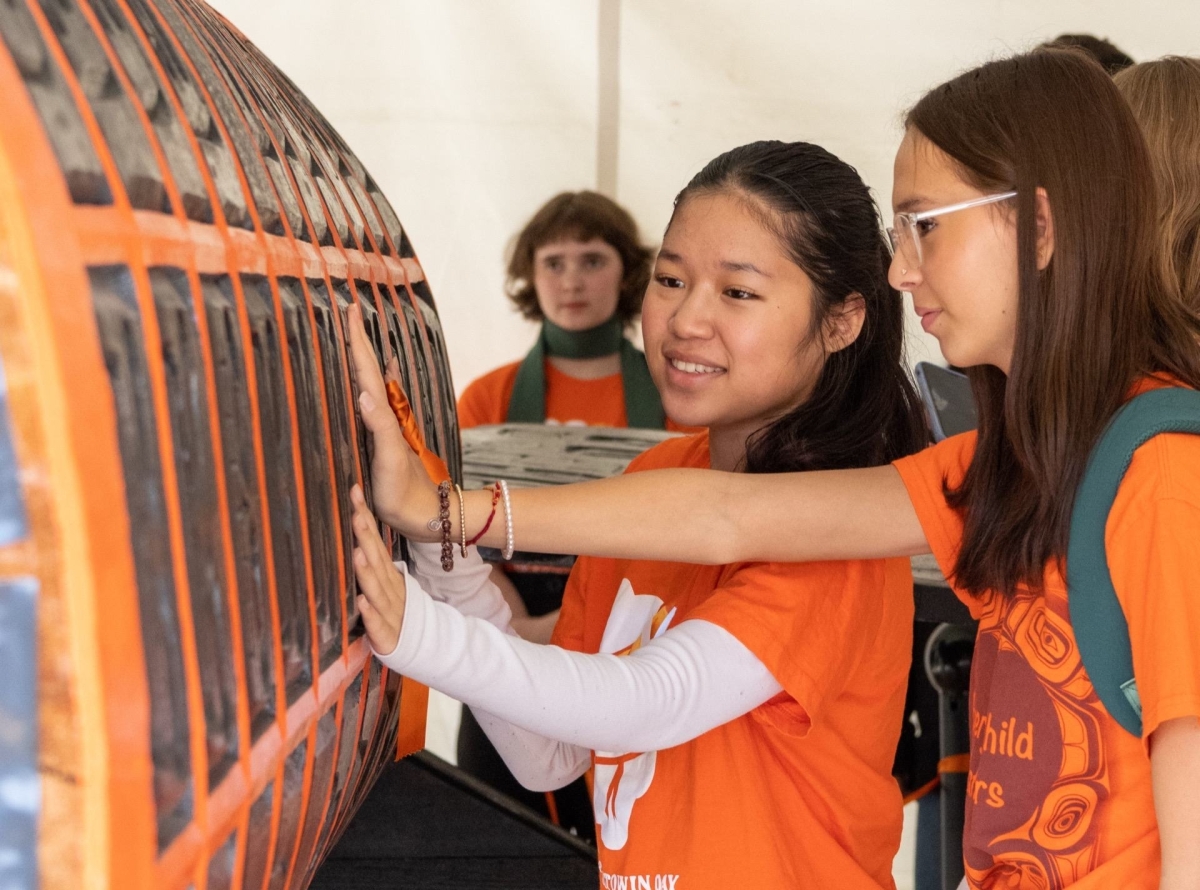
As part of our commitment to education, awareness, and reconciliation, every year we host a special week of free classroom programming leading up to the National Day for Truth and Reconciliation with Indigenous partners and artists, to help students understand the history and ongoing intergenerational impacts of the Indian Residential School System.
Students are encouraged to ask questions, share truths, and connect personally through art and expression, guided by Indigenous artists in interactive, creative workshops.
Honouring, Remembering, and Learning Together During Red Dress Week
Red Dress Week at the RCMP Heritage Centre is a time for reflection, remembrance, and education. For the past three years, the Centre has hosted a week of free school programming to honour Missing and Murdered Indigenous Women, Girls, and Two-Spirit people, while raising awareness among the next generation.
In partnership with the Place of Reflection Committee, students explored the meaning of Red Dress Day, the broader social context, and the intergenerational impacts felt by families and communities.
We invite students to “awaken” the Place of Reflection, learn the significance of the site, and engage with tipi pole teachings. We encourage the students to reflect on their own role in understanding truth and change.
At the Heritage Centre, the red dresses are more than symbols. They are daily reminders of missing voices, untold stories, and the responsibility we all share in creating a safer, more compassionate world.
Honouring Indigenous Voices Through Art and Storytelling
The RCMP Heritage Centre is proud to collaborate with extraordinary Indigenous artists whose powerful voices and creative expression bring deep meaning, reflection, and connection to our programming.
We’ve partnered with textile artists, visual artists, traditional stone and wood carvers, and music and theatre artists. Each year we partner with several artists through generously funded grant programs.
If you are a First Nations, Métis, or Inuit artist and would like to partner with us, please send your website link or portfolio to: programs@rcmphc.com